


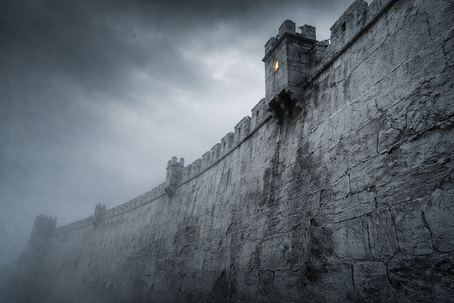


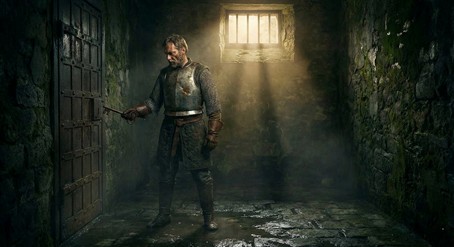

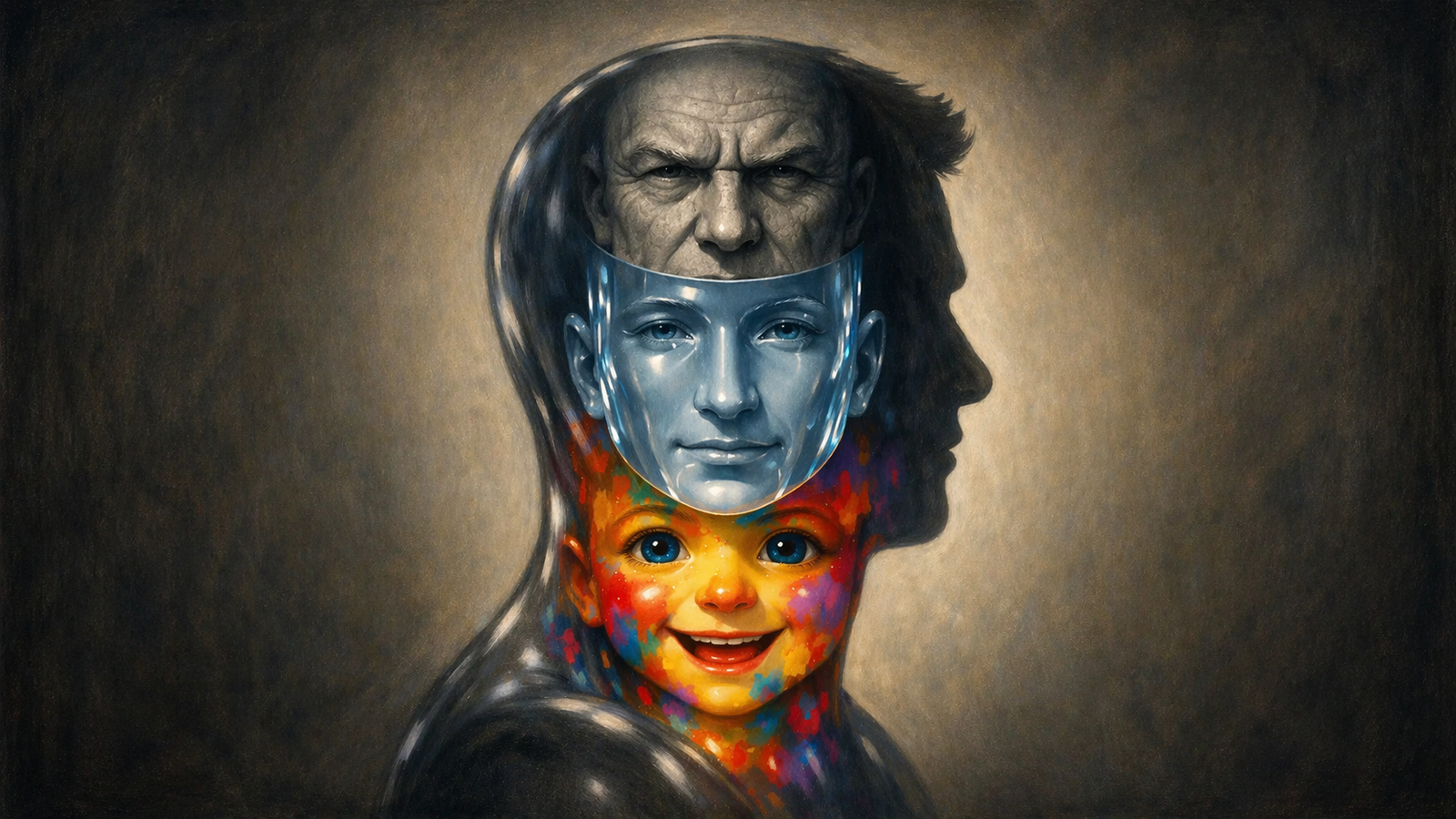
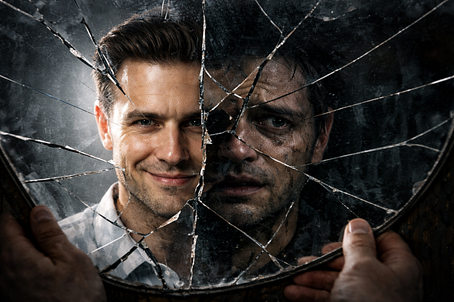


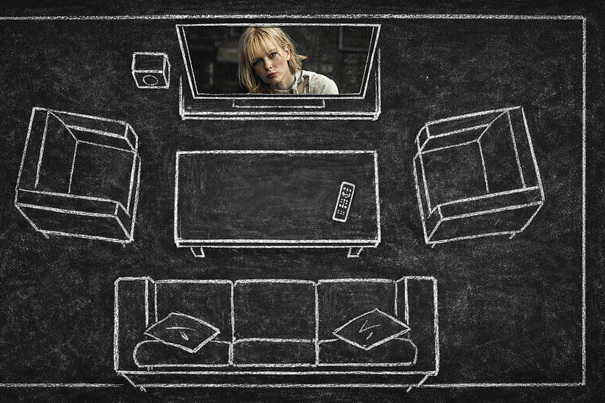









A lie is an environment.
The liar constructs a context in which the false conclusion becomes the only one available to the listener.
The most effective deceptions are built from true information, arranged carefully. Ask someone, "Did you withdraw that money?" and they might answer, "I haven't even walked past the bank today"—knowing full well they transferred it online. You build the corridor. They walk to the only door.
Or consider anchoring: "I was at home" collapses under pressure. "It was exactly 2:12 PM, the neighbor was drilling upstairs, and I was making coffee" holds. The mind latches onto the drill and the clock and stops questioning the structure around them.
Watching it happen breaks the clean lines of theory.
I once watched a colleague reframe a significant mistake in a meeting. He simply repositioned what he could have denied—a calculated risk, taken in good faith, with the information available at the time. For three days it lingered. On the fourth, that was the story. And the strangest part was the look on his face afterward—the quiet disappointment of a man who expected more resistance.
There's a version of this in Catch Me If You Can. DiCaprio steps into an airport in a pilot's uniform and people instinctively move away. He expects a door. He finds air. A slow erosion of the world's ability to surprise you.
Intelligence agencies refined this into doctrine. When cornered, confess to something minor—a surveillance program that was "overly broad," an interrogation technique that was "inconsistent with values." The public, fed just enough truth, closes the case. The real damage stays buried. And here's the uncomfortable part: many of those lies never surface. The file stays where it is. Nobody checks. Some secrets go to the grave undisturbed.
But not being caught carries its own sentence.
Think of Ripley—brilliant, unable to sit still inside the life he built. A lie carries no physical weight and still expands like a black hole. The outside world sees nothing while gravity pulls you apart from the inside. You can't afford to forget. Every new person becomes a potential threat. At some point, the performance has no audience except yourself.
What's strange is that most lies are reflexive. Fear of conflict. Fear of being seen as insufficient. The deception that feels like control is usually just panic—slowed down and renamed.
The liar's real achievement is the years spent fooling themselves into thinking the cost was worth it. Honesty was always available. Most of us knew that. We just couldn't stomach what it cost on the first day.