
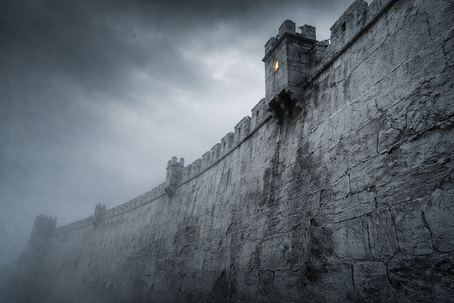

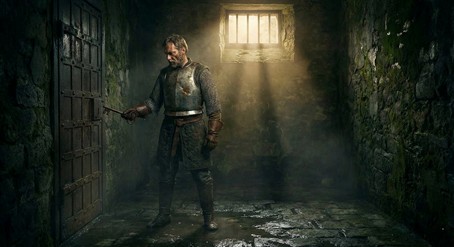
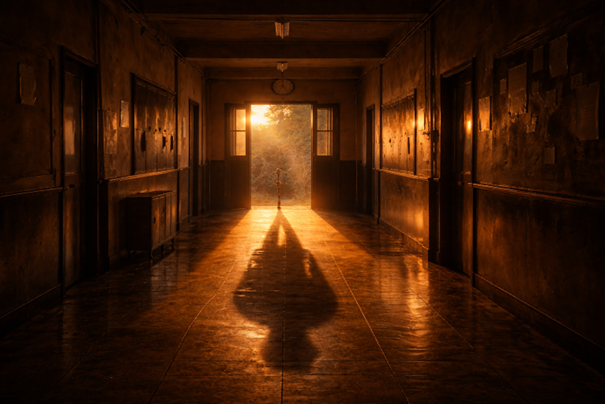



There is a city with white walls. It has always been under siege—or at least, that is the story it tells itself. And stories, told long enough, become the walls themselves.
They wanted to be a light. Perhaps they even were, once. But somewhere between the wanting and the fearing, something shifted. The monsters they feared so deeply—they became them. They were forged by the very fear they harbored.
Middle-earth had Helm's Deep. The walls held because of courage. This city's walls are built from something else. From the certainty that everyone outside wants you gone. From the knowledge—or the belief, which by now feels the same—that survival justifies everything. Fear always does this. It starts as a shield. It ends as a weapon. And the hand holding it can no longer tell the difference.
Anakin Skywalker was driven entirely by love. He wanted to save Padmé. He wanted to protect what he had. And that wanting—so pure at its origin—slowly became something else. Fear hollowed it out and took its place without him noticing.
That is the most insidious trick fear plays. It arrives wearing love's face. It speaks love's language. "I am doing this for you. I am doing this to protect us." And by the time you realize what is actually driving you, you are already Vader. You are already the thing you swore to fight. The transformation unfolds quietly. It is a series of small decisions, each one justified, each one reasonable, each one slightly more afraid than the last.
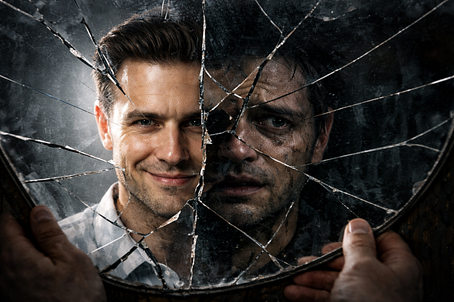
Steven Moffat once wrote something that has stayed with me: "People think Hyde is rage, or hate, or greed, or lust. But Hyde is far worse. Hyde is love. And love is a psychopath."
A mother holds her child for the first time. And in that exact moment, she realizes she could kill anyone. Anyone at all, if she had to. This is the line that is almost impossible to see. Because love can destroy too. Love has burned cities. Love has started wars. The actions mirror each other; the motives are worlds apart. Fear knows only what it stands to lose. Love knows what it is protecting. Though fundamentally different, from the outside, they can look identical.
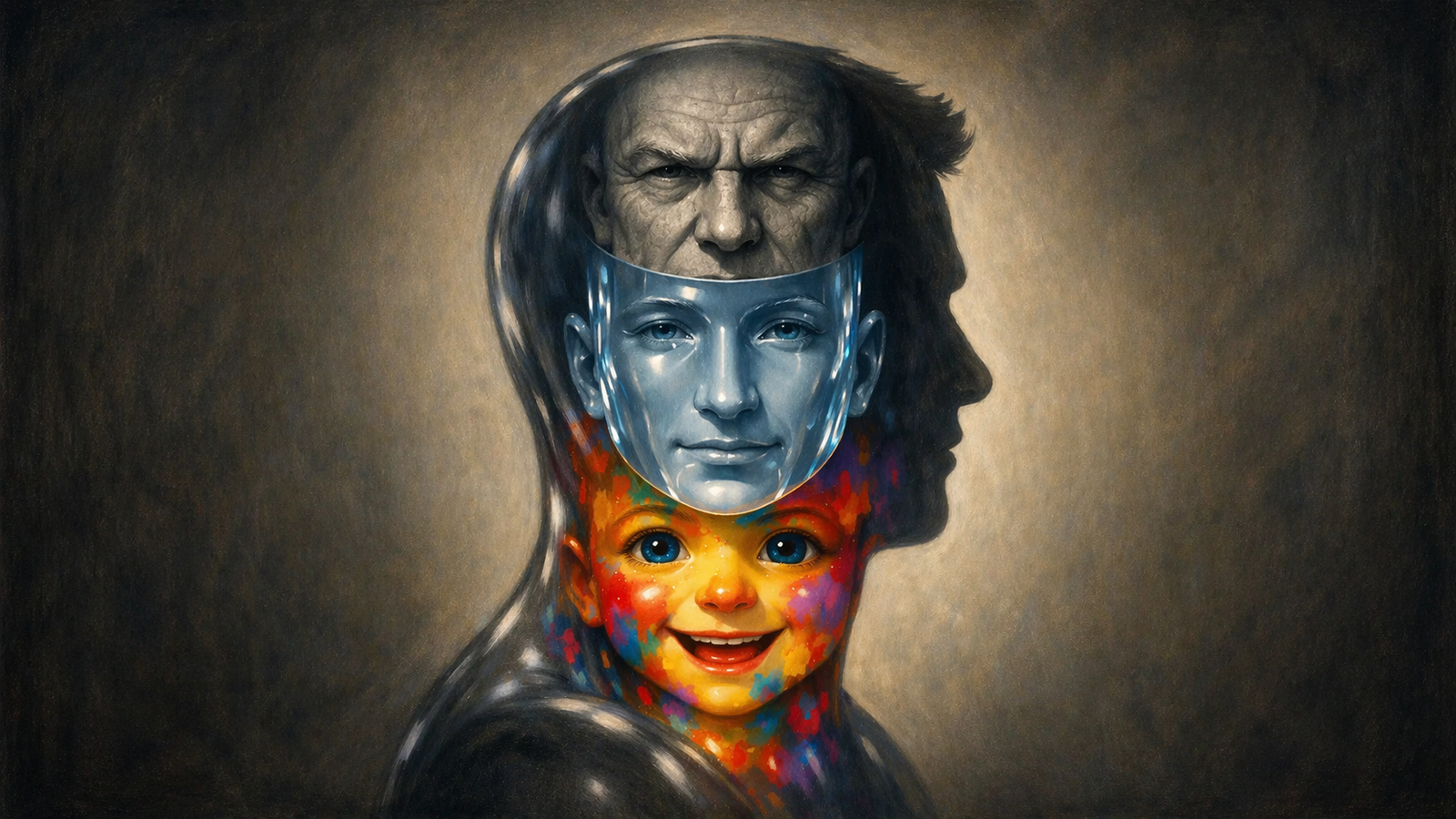
And fear knows this. Fear is not stupid. Fear is the most intelligent thing inside us. It studies love, learns its vocabulary, wears its clothes. It will call itself patriotism, loyalty, family, faith. It will sound completely convincing. Even to you.
There is another cost to fear that rarely gets named. When fear is your engine, you can never stop. You can never be weak. You can never fall. Because the system you built—the one that runs on intimidation, on dominance, on the certainty that strength is all that matters—that system will turn on you the moment you show a crack. The moment fear stumbles, it falls completely, because those it terrified have simply been waiting for their opportunity. You taught everyone around you that power is what counts. Now you are trapped inside that lesson forever.
Love operates differently. When you fall, the people who love you pick you up. Because that is what love does—it instinctively moves toward weakness. When love is weak, it finds support, because it was never standing alone to begin with. You do not have to perform. You do not have to win every room. You are allowed to not know the answer.
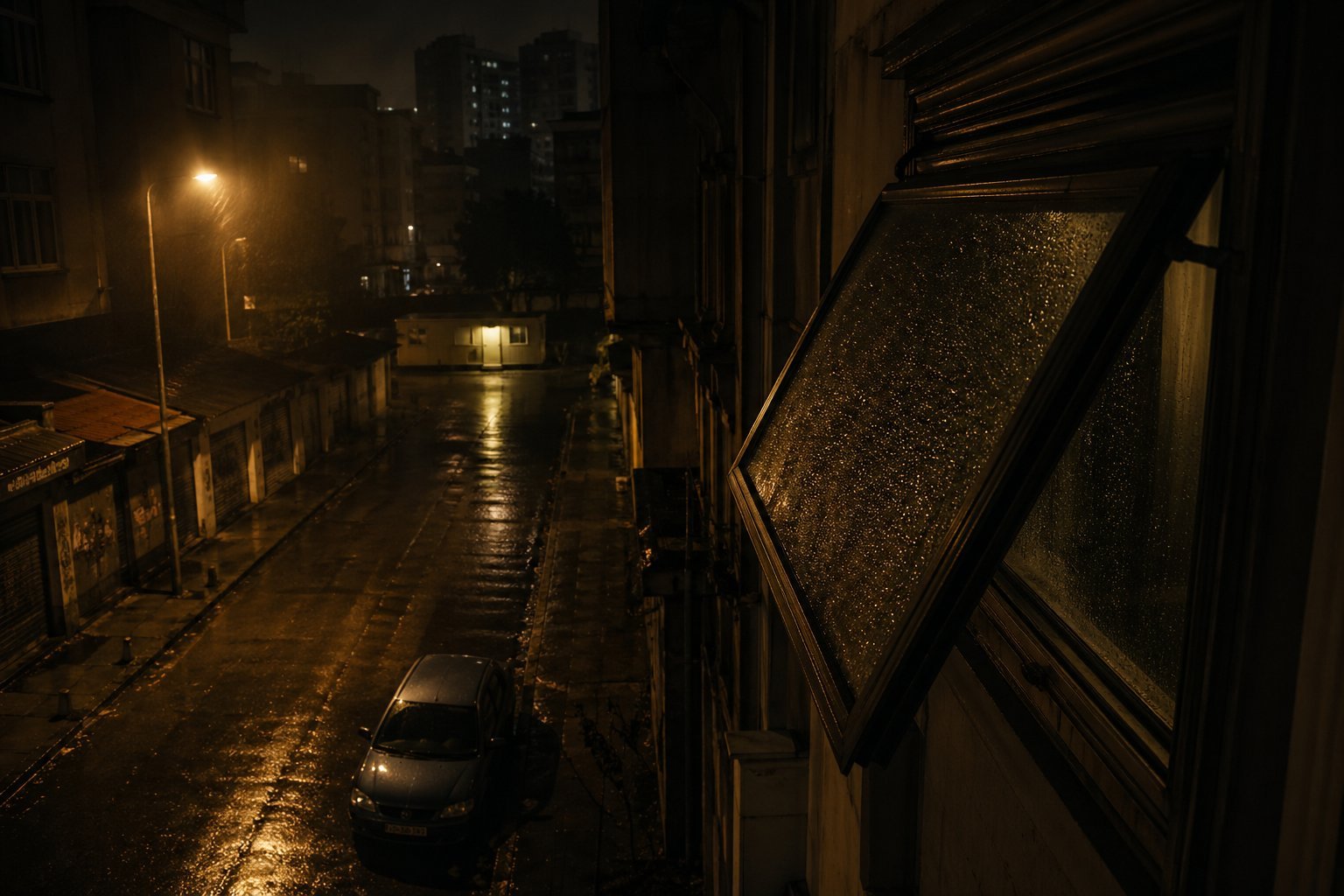
Fear is a closed system. It feeds on itself. It grows strongest in isolation, in the middle of the night, in the silence between thoughts. It tells you that you are alone and that alone is all there is.
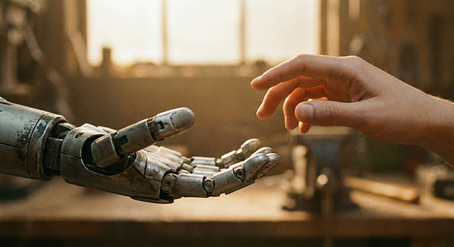
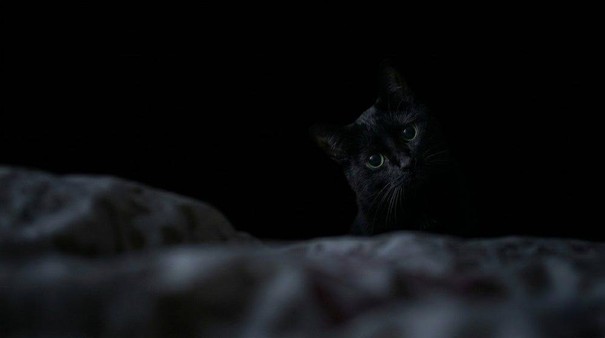
Love inherently requires a direction, a face, a presence—or at minimum, a belonging. A cat resting his head on your knee. A friend across a table, two cold coffees between you. Love reaches outward. Always. And that reaching—that need—looks like weakness to fear. Fear looks at love and sees something naive, something soft, something that will eventually break.
Fear is wrong. But fear wins anyway. Often.
In Swordfish, the villain makes an argument. It is a terrible argument. It is also completely coherent. He says that good people lose because they have limits. They will not cross certain lines. Evil has no such problem. There is a chilling truth to his claim.
In parts of Mexico and Latin America, cartels have infiltrated neighborhood protection organizations—the very groups built to stand against them—and destroyed them from the inside. Rather than relying on force, they used patience as their true weapon. They succeeded by understanding exactly how love and loyalty operate, and using that understanding against them.
Vader died, yes. But not before he had done everything the Emperor needed him to do. Those cities may one day find peace. But not before generations have been shaped by what fear built. This is the part we do not like to say out loud: fear is effective. Fear is patient. Fear understands the long game. And love, for all its power, keeps getting surprised by this. Keeps believing that if it is just genuine enough, visible enough, real enough—it will be recognized. Sometimes it goes unrecognized. Sometimes it loses.
And yet.
Aragorn stands at the Black Gate. The armies of Mordor are endless. The math does not work. Any rational calculation says this is over. He turns to the people beside him and says, "There may come a day when the courage of men fails. But it is not this day." He speaks without any guarantee of victory. Hope transcends mere prediction; it stands as a deliberate choice made in full awareness of how dark it actually is.
Rust Cohle sits across from Marty in a hospital parking lot, looking up at the stars. He has seen everything humanity is capable of. He has lived inside darkness longer than most people could survive. And he says: "Once, there was only dark. If you ask me, the light's winning." The dark still exists. Yet light refuses to stand still. It advances. It finds new places to exist. It asks for nothing more than to keep going.
I am not a simple person. Most of us are not. I know what it is to act from fear—to feel that cold engine start up, to feel it take the wheel. I also know what it is to act from love and to feel the difference in my hands. Fear is faster. Fear is louder. Fear, in the short term, often wins. But I have never once, in the morning after, felt anything from fear except exhaustion.
Love is slower. Love loses more visibly. Love does not always get to write the ending. But love is the only thing I have ever done that felt like it was actually mine.
It is either from love or fear. Everything is. Every wall built, every war started, every kindness offered, every sacrifice made—trace it back far enough and you will find one of these two things at the root. Beyond ultimate victory, the only thing that truly matters is which one you choose to feed. Even knowing what you know. Even in the dark. Even when fear is louder.
The light is winning. Look closer.