








Some debts stay. Some structures fall. But there is a stranger question than whether the damage can be undone—it is whether anything can be held whole in the first place.
Adversity strips you bare. What you choose to maintain in that bareness—the small, stubborn acts of order—reveals less about taste than about what you cannot afford to lose.
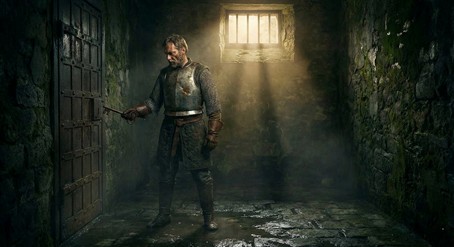
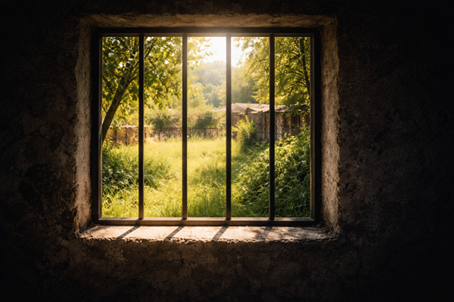
There is a detail about Fatih Altaylı's time in prison. Surrounded by gray concrete designed to reduce a man to a number and break his will, he would carefully iron his shirt before seeing visitors. Without an iron, he used what the cell allowed: water heated in a kettle, poured into a mess tin, pressed against the collar, the cuffs—the visible parts. The parts that faced the world. But visitors come and go. The cell stays. A crisp collar is a solitary architecture. It holds the man upright when the walls try to crush him.
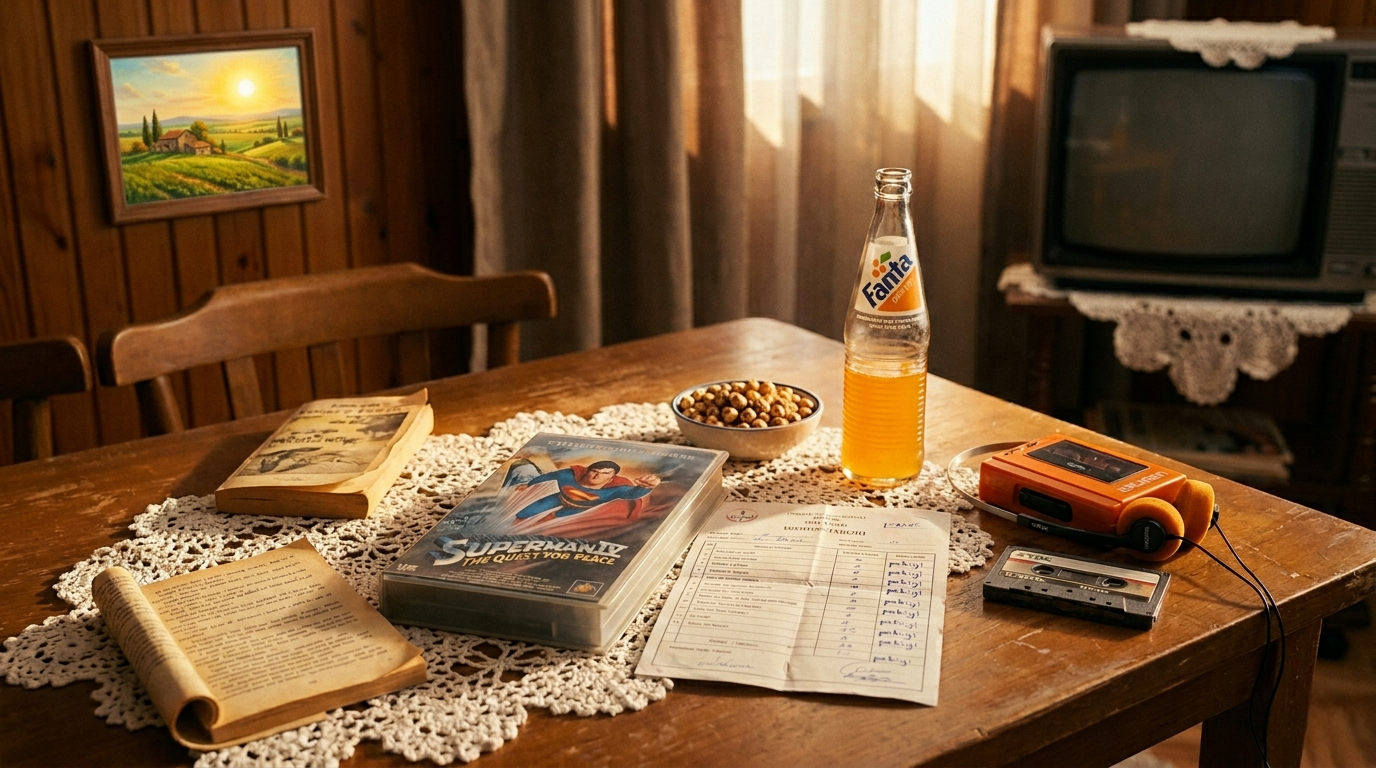
I remember Augusts in the village during the hazelnut harvest. Long before the trip, the anticipation of seeing a girl I liked from school would take hold. Every morning, stepping out into the wide courtyard facing the orchards, my hair was already combed, my clothes carefully put together—as if she might suddenly walk into that yard. She never did. But somewhere in those mornings, the gaze had already moved inside. It no longer needed her to arrive.
In those long, isolated summer days—just earth, damp heat, and the relentless hum of insects—I would wake up, tidy my bed, put myself together, holding onto a form in the middle of that silence. The danger of surrender lay in who you became inside the disarray. Let the heat and the dirt dictate long enough, and the person looking back from the mirror is a stranger—someone you didn't choose and don't recognize. The rituals build a fence against the wrong version of yourself.
The fear of eroding drives the comb through the hair and the iron across the fabric. The visibility points entirely inward.
We are told we exist in the gaze of others. The mess tin pressed against the collar in an empty cell says otherwise. Existence, quietly, refuses to come undone.
The corridor narrows in adversity. The man who keeps ironing his shirt keeps walking through it.