








AI agents haven't fully entered our lives yet—I know that. Most of us still wake up and go about our day without talking to an assistant, relying purely on our own will. But then again, which of us hasn't turned to an AI for a quick email, a tricky presentation title, or just to say, "Take a look at this"?
Sometimes, this worries me. It feels like we're walking a thin, invisible tightrope between surrendering to AI and using it as a mind-expanding helper—perhaps even a friend.
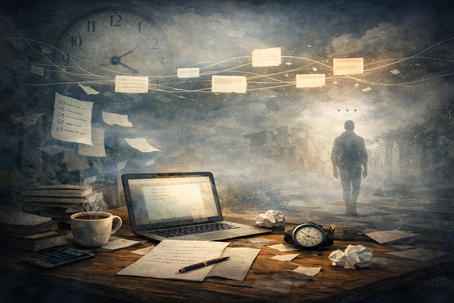
I was recently talking to a friend who is a university professor. He laughed and said something quite strange: "Hakan, it's reached a point where students are having AI write their essays, and I'm sitting there having AI read them."
Isn't that surreal? One machine writes, another machine reads, and we pretend an education is happening in between. Perhaps this is an inevitable part of the transition we're in. Naturally, we prefer whatever makes our work easier. But before we find ourselves standing in a sudden, vast void, unsure of what to do next, we need to talk about this—for the sake of conversation itself.
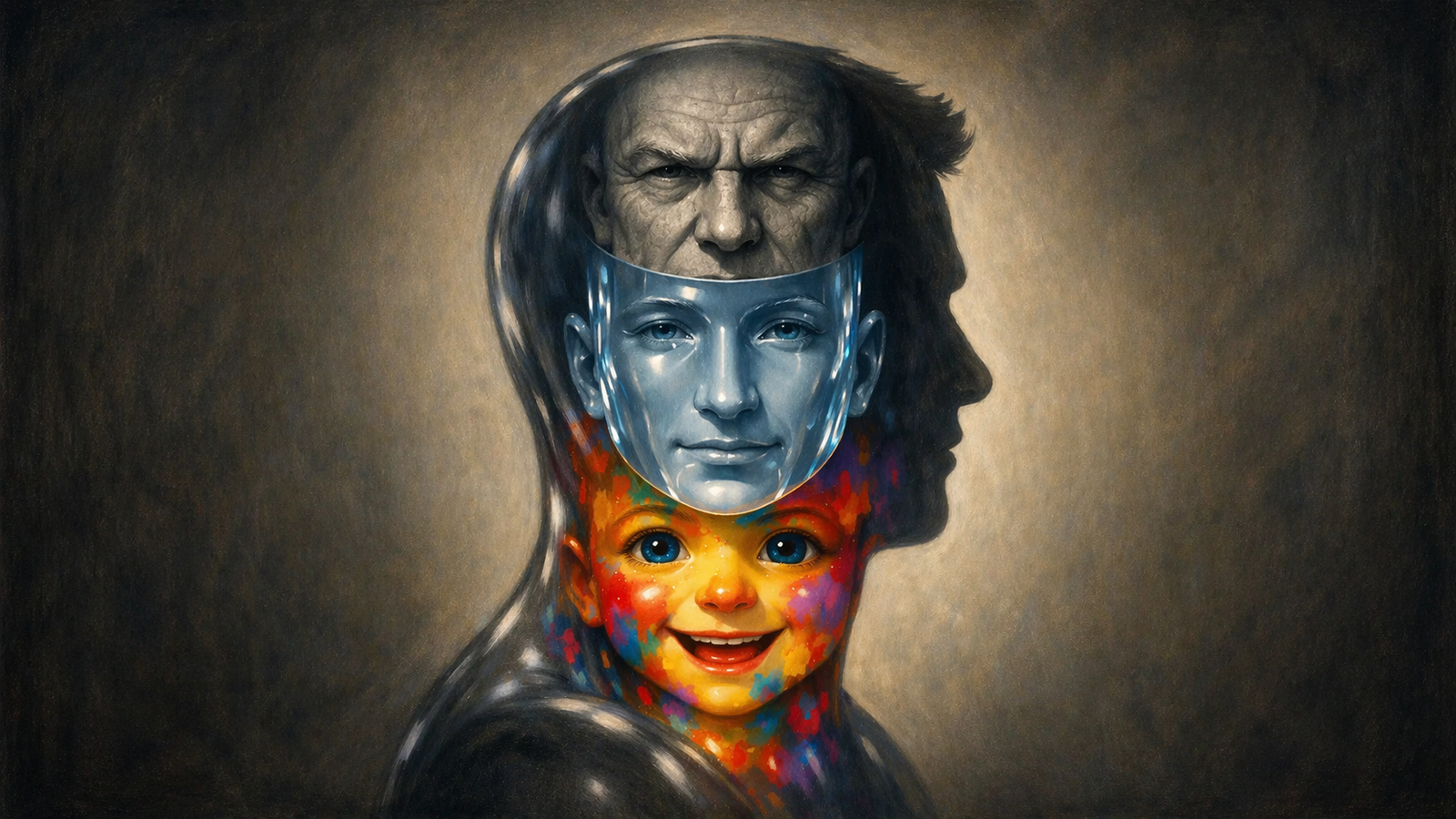
Could this void I'm talking about be the absence of human effort? Those painful moments when we used to pause to fix a sentence, delete and rewrite, or rack our brains for the perfect word… Were those moments just a waste of time? Or were they the very necessities that make us who we are—the friction that allows our thoughts to cook and mature?
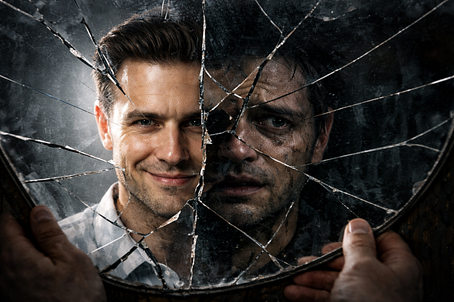
If we outsource that process—the jagged, unbalanced, and rugged path of thinking—to machines, will the flawless, sterile result truly satisfy us? More importantly, when we stop enduring that struggle, are we quietly surrendering our ability to be self-sufficient?
And what about the bonds we form while supporting each other through hard times? If we solve every problem with a single command, will we stop needing one another? If we deem those bonds unnecessary and let them fray, will we cross a line from which there is no return? I'm not sure.
But I think part of the answer lies in realizing that the "it's too hard, let someone else do it" mindset isn't always our friend. Because being self-sufficient means choosing to do some things ourselves—even if technology could do them better—simply because it feels good, because we love the walk along that difficult path.
Perhaps in the future, our greatest joy will be saying, "No, stop," and then, "I want to feel this, I want to solve this, I want to experience this myself."
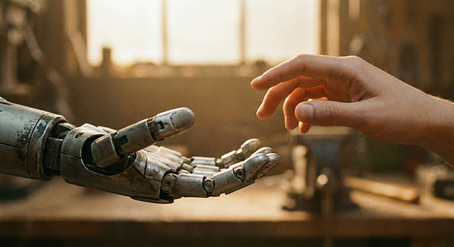
Because life is about who we fall with and whose hand we hold to get back up. And I fear no algorithm will ever be able to replicate the warmth of a hand reached out when you hit the ground.
I had a friend who valued self-sufficiency above all else. He never wanted help with anything; no matter how hard it was, he did it himself. When he finally bought the house he'd dreamed of since childhood, he refused our help even with the move.
"By doing this, you're taking away the moments we could have shared," I told him. "We could meet in the morning, finish the heavy lifting together, and then head to the seaside to eat and share a glass of rakı. You're robbing us of these memories just to avoid being a burden by saying, 'No need, I'll handle it.' Those moments would have been memories now. We have many beautiful memories together, but they are limited. We missed those times of helping each other and celebrating the result together." I lost that friend two years ago. I still miss him dearly.
Today, technology whispers the exact same sentence into our ears: "No need, don't tire yourself, I'll handle it." While this promise feels like ultimate comfort, I can see the desolation behind it more clearly now. That's why, no matter how much AI eases our lives, we must stubbornly insist on choosing the difficult path sometimes. We will remember the moments we stood shoulder to shoulder, got tired, perhaps made mistakes, but then sat down to celebrate—moments that were truly ours.