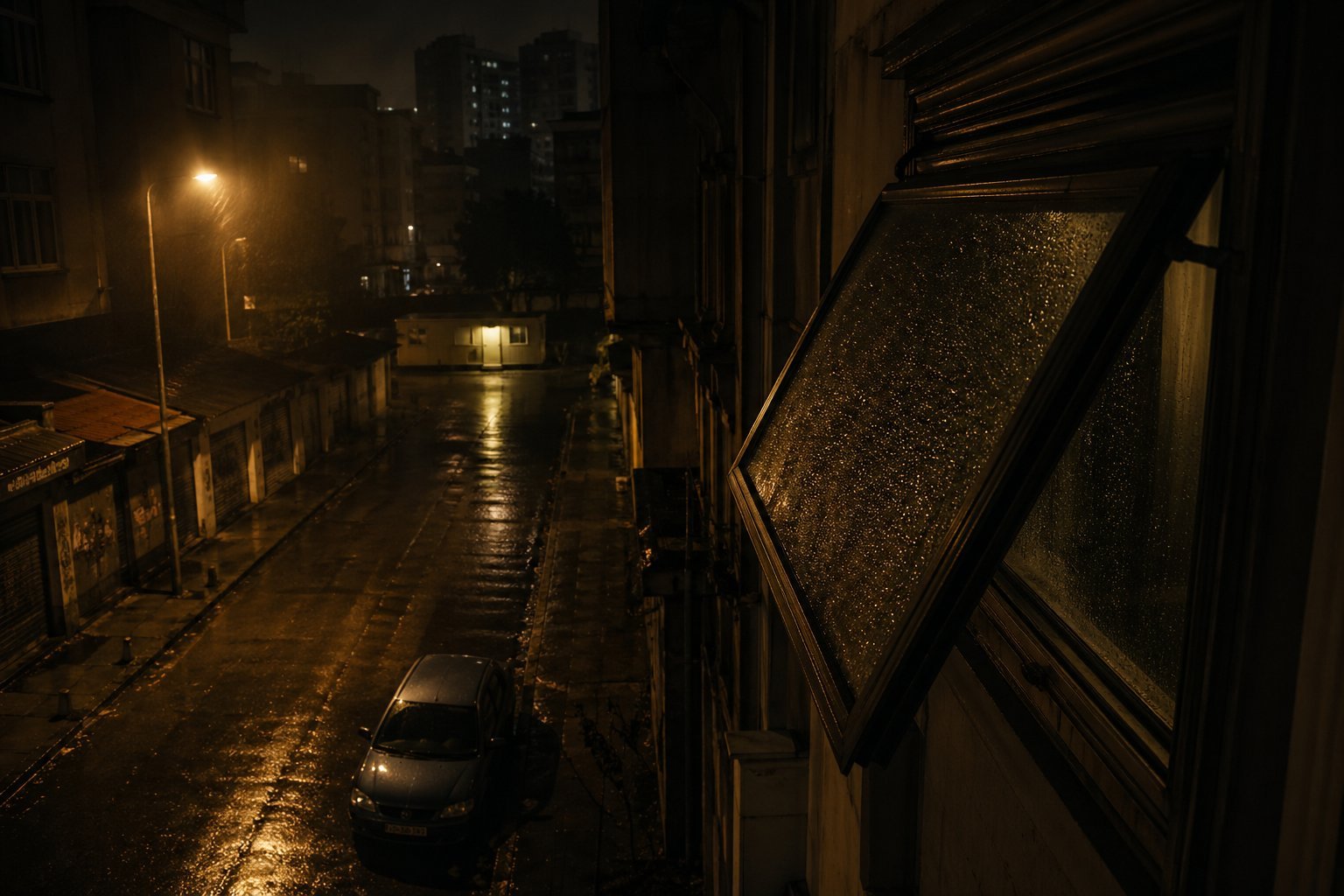

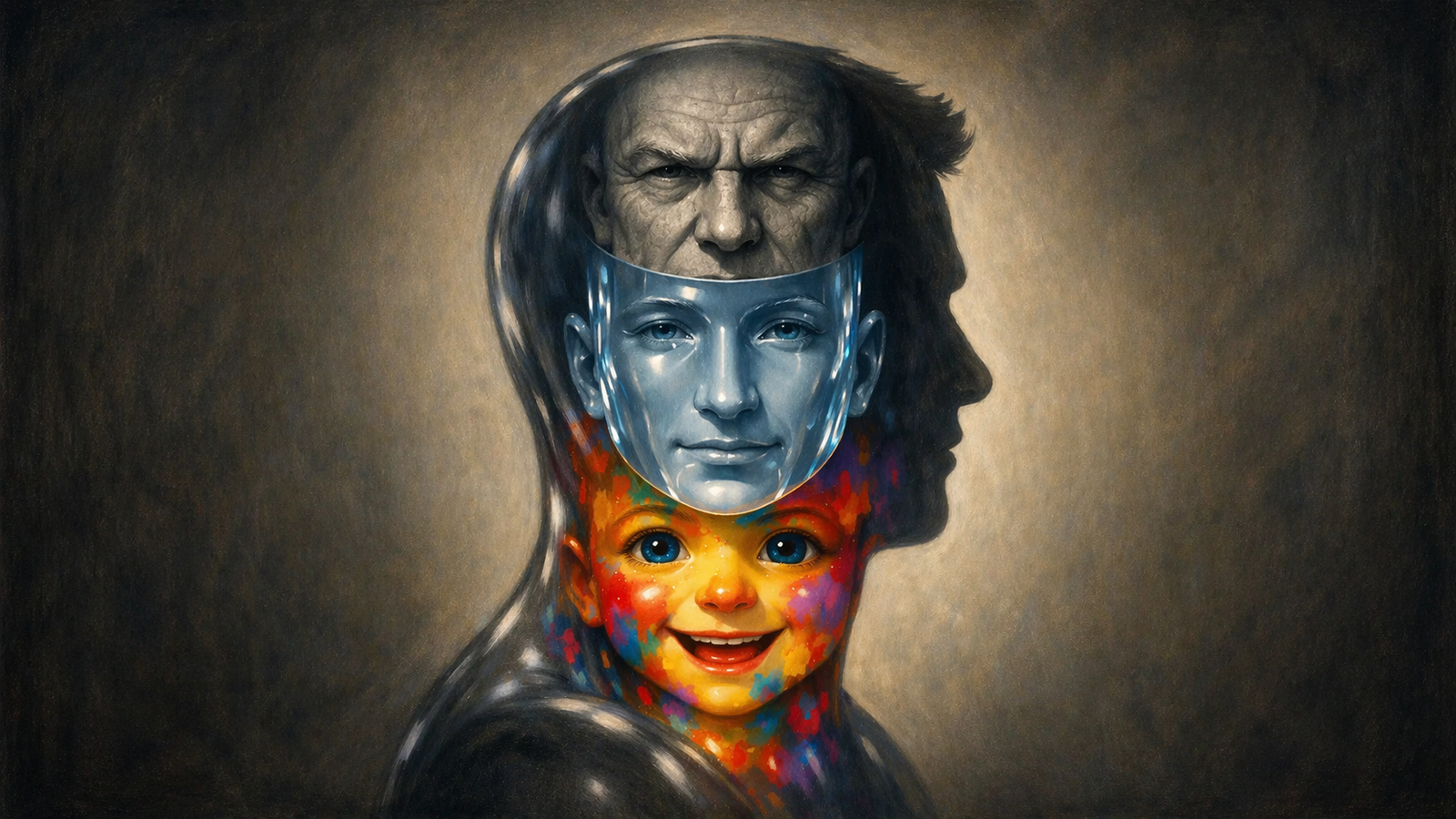
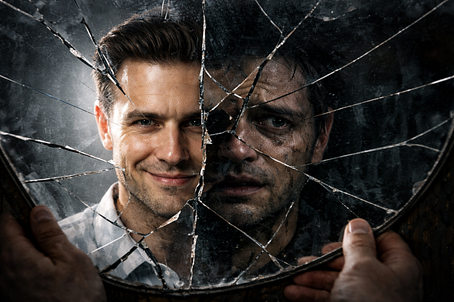
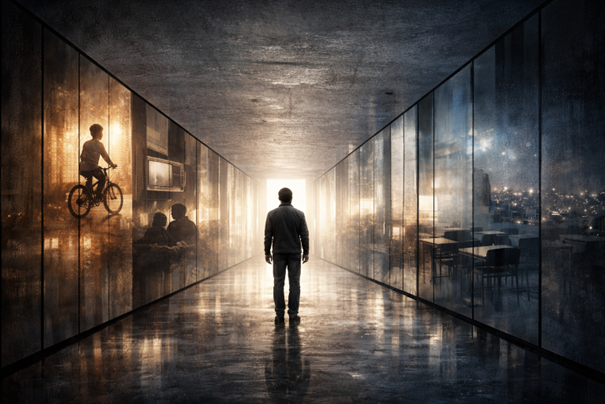
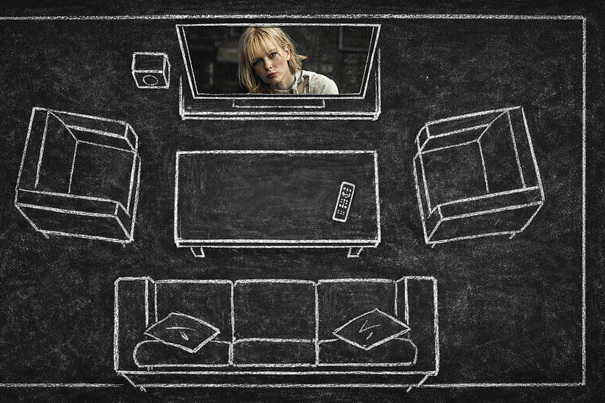

The liar builds a corridor and remembers the blueprint. The misperceiver builds one and moves in. But there is another architecture—one where everyone builds at the same time, and nobody notices the walls.
"To tell the truth, it doesn't matter if anyone reads it. I write for myself."
I nodded. I let the sentence hang. It is a beautiful thing to say. It is also a lie. I know. I've said it too.
Open your eyes, or the world won't see you.
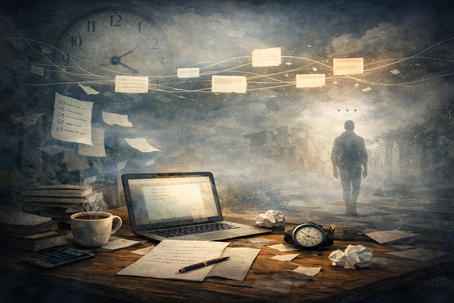
I published an essay last week. Fourteen people read it. I know this because I checked the stats nine times. My fingers hit refresh before I'd even finished reading the number. At some point the thing I'd written stopped being mine. It collapsed into a number. And I kept refreshing.
A friend of mine makes music. We met years ago when I first came to İstanbul. He played in a basement on a borrowed guitar, and the room moved without being asked. He called me a few months ago—he'd been working on something new for six months. Wanted me to hear it. We met at a place near Kadıköy. I put my earphones in my ears.
I closed my eyes.
A song that finds a specific frequency in your chest and stays there. When I opened my eyes, he was watching my face. He had his phone out. He was already writing a caption.
"Does it work as a reel?" he asked.
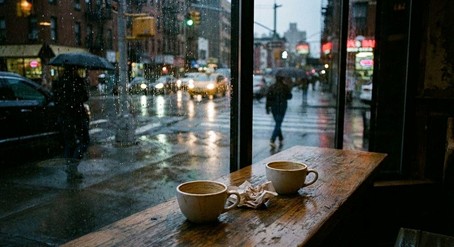
We ordered coffee. The song took six months, he told me. The reel took four hours. "Nobody hears it if nobody clicks." He said it the way you state a law of physics. He wasn't wrong. That's what I kept thinking afterward. He wasn't wrong.
There are more writers now than at any point in history. More musicians, more filmmakers. The tools are everywhere. The audience is the same size. It's the same pool of attention, divided across millions of songs and reels.
Walk into any coffee shop and count the laptops. Most of them have a draft open. Ask yourself when any of those people last read someone else's full piece. All the way through.
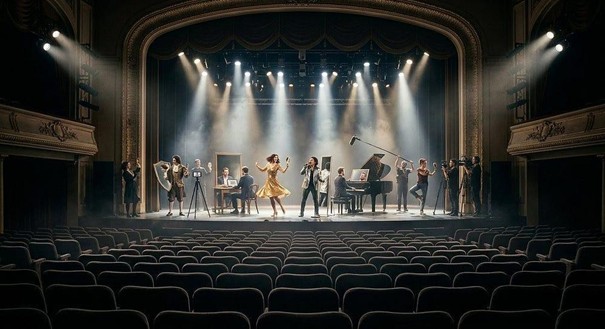
Everyone figured this out at the same time, and nobody said it out loud. Everyone moved toward the stage. The seats emptied behind them.
I watch people at concerts now. Half the crowd is filming. They will never watch that footage. It's proof of attendance. A room full of directors and no audience.
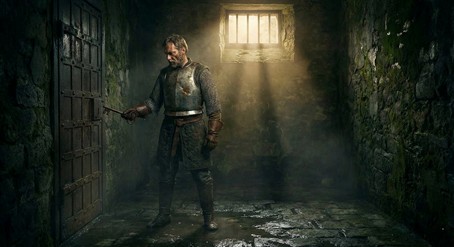
There should be a comforting freedom in this. If nobody's watching, the stakes are zero. You can build anything in the dark. But nobody uses the dark. We built a guard tower instead. The spotlight is broken, and the guard has left. We still stand there, sucking in our stomachs, performing for a warden who isn't there.
I scroll at 2 a.m. "Nobody reads anymore." Posted by a writer who dropped three reels that day. I smile. Then I open my own draft and hit publish. It's the same as the taxi driver on Bağdat Caddesi at rush hour, slamming his horn, shouting "The city is overcrowded!"—engine still running, refusing to get out and walk.
Everyone knows the theater is empty. Nobody wants to be the first to step off the stage and sit in the dark.
Game theory calls it the prisoner's dilemma. Every essay you scroll past is a small defection—it costs nothing, and nobody sees it. A billion of those, and you get the landscape we're in—nobody benefits from changing alone.
Last week, between checking my stats nine times, I forced myself to stop. I found an old magazine at the bottom of a shelf—one with a cracked spine and pages that smell like someone else's apartment. A piece about a man who spent thirty years repairing clocks. I almost put it down twice.
I finished it standing in the kitchen—the coffee went cold.
I couldn't tell you if the writing was good. I remember the clocks—the specific sound each one made when it was finally right. I sat with it. Something came back—a small memory I hadn't touched in years. At some point I'd put my phone face down without deciding to.
No metric moved. Nobody noticed.
But something loosened. It's hard to obsess over who's watching when you've just been watching someone else.
That lyric keeps coming back: Open your eyes, or the world won't see you.
The emphasis was always on the first three words.
Open your eyes.
The rest follows.